This post may contain affiliate links. When you purchase something through these links, I receive a small commission that helps me create this blog’s content. There’s no extra cost to you. Read my privacy policy to learn more.
Published: 2/4/25
What To Bring On A Boundary Waters Canoe Trip
The biggest hurdle to clear when going on an overnight camping trip in the Boundary Waters Canoe Area Wilderness often isn’t planning the trip or deciding to go in the first place: it’s packing for your wilderness adventure!
Far removed from modern conveniences, packing for a trip in this 1.1 million acre federally designated wilderness in northeastern Minnesota is complicated because it’s not like you can run down to the corner store if you forget something. To further complicate matters, you need to carry every single item you pack over the portage trails between lakes, it’s essential to pack light.
As the owner of a Boundary Waters canoe outfitters for more than a decade and a lifetime of experience in North Shore, MN tourism, I’ve truly seen it all when comes to canoe trip packing.
A very common phenomenon we see at the outfitters is what we call a “garage sale.” This is when members of a canoe group converge at the outfitter each with their own bin of camping gear. They all dump out their gear, then spend the better part of two hours picking through the gear on the ground deciding what they need and what can get left in the car.
Trust me: there’s a better way. In this post, I’m outlining every single item you need for your canoe trip. I’ll link to gear that’s withstood the wear and tear of being rented for years so you won’t get stuck in analysis paralysis when you realize you need to buy a pack or tent.
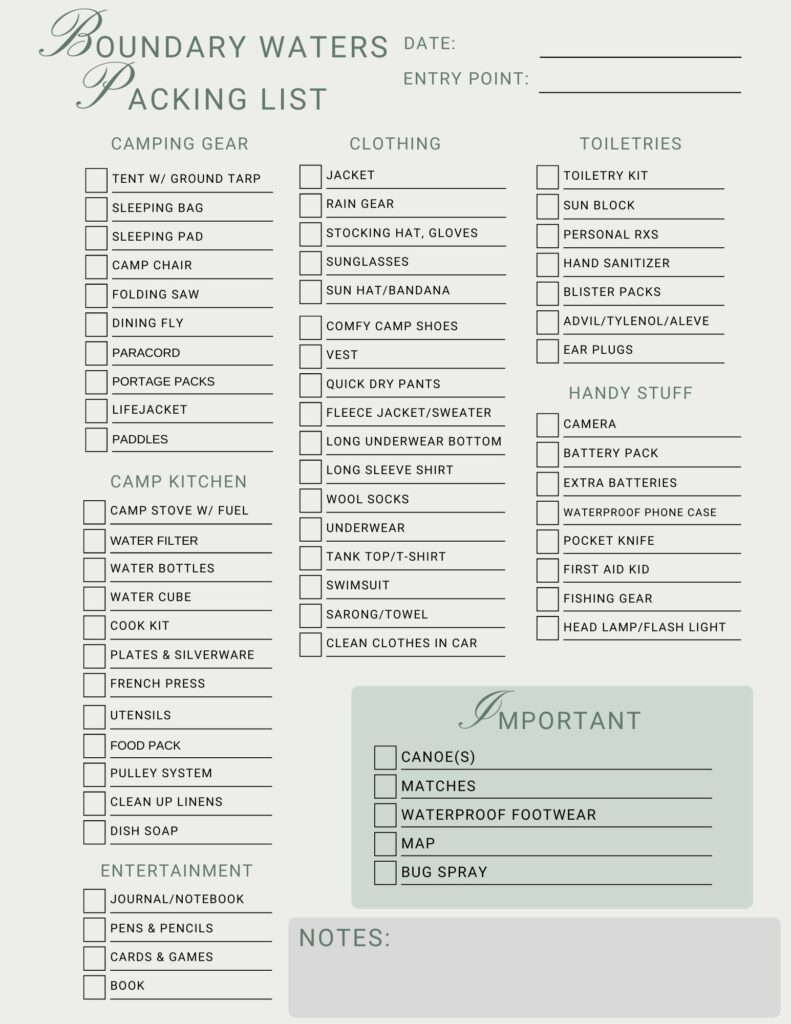
With my printable Boundary Waters packing list PDF you won’t have to second guess your packing up until the minute before you paddle off. Instead, you can rest your head easy the night before your canoe trip knowing that your portage packs are filled with everything you need and nothing more.
Read on to learn what to bring on your northern Minnesota camping trip.
My Perfect BWCAW Packing List For Canoe Camping
Camping Gear
|
Tent 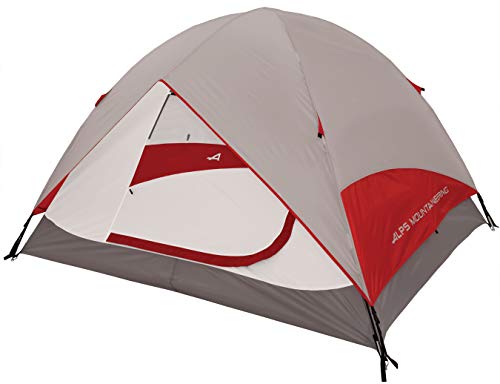 |
Sleeping Bag  NEMO Equipment Forte Endless Promise Synthetic Sleeping Bag – Long – Abyss/Hazy Aqua |
Sleeping Pad  |
Canoe – You won’t make it very far on your canoe trip without a canoe! However, you definitely don’t need to buy a canoe for your first visit to the Boundary Waters. Instead, rent from the canoe outfitters closest to your entry point. I always recommend using a lightweight Kevlar canoe.
Paddles – If you’re renting a canoe, paddles will be included. For a paddle of your own, a bent shaft carbon fiber paddle is a nice investment.
Lifejacket – Don’t just pack it; wear your lifejacket! (Anyone else remember those old Red Cross water safety posters from elementary school swimming lessons?!) I like this foam PFD from Mustang Survival because it isn’t bulky, zips rather than buckles, and has pockets!
Tent – This tent isn’t the lightest option, but it’s extremely durable and a good all-around option. Tent manufacturers seemingly use the world’s smallest people to determine how many people fit in a tent, so we always subtract one person from the recommended capacity. I’m also a fan of Big Agnes tents, especially for smaller groups.
You’ll also want a ground cloth to set the tent on top of for extra moisture protection.
Sleeping bag – If you only have room in your budget to invest in one quality camping item, make it a sleeping bag. I love how soft Nemo sleeping bags are and as long as you store it properly, it should last a lifetime. Rated to 20 degrees F, this bag should keep you cozy during the entire Boundary Waters paddling season.
Sleeping pad – Occasionally, folks tell us they don’t need a sleeping pad for their canoe trip . . . . to which we say, “Are you sure?” The probability of there being a tree root or poky rock beneath your tent is fairly high and a Therma-rest pad is an easy and lightweight way to improve your sleep quality while camping.
|
Camp Chair  Big Agnes Mica Basin Chair- Ultralight, Portable Chair for Camping and Backpacking, Cendre Blue |
Folding Saw  Silky GomBoy Curve Professional Folding Saw 210mm, Large Teeth (717-21) |
Paracord  |
Camp Chair – Since you’re using a canoe to carry your gear the majority of the time in the Boundary Waters, you can easily throw in a few little luxuries without worrying (too much!) about your packs getting too heavy. Nothing makes camp feel more comfortable than having a bonafide chair to sink into at the end of a long day of paddling and portaging.
Folding saw– Silky folding saws are a safer, more efficient alternative to a hatchet for gathering firewood. They work like a massive pocketknife.
Paracord – It’s always a good idea to have a little more rope in your pack then you plan to use. Reflective paracord has many uses including pulling out tent flies, hanging up dining flies, hoisting your food pack, or serving as a clothesline.
Dining fly – While not absolutely critical, a dining fly (aka, a lightweight nylon tarp) will really elevate your campsite experience. Not only will it keep you dry when it rains, it also provides shade on sunny days. Just remember to put it up well away from the fire grate to protect it from sparks. On rainy nights, you can set up your tent underneath it for extra protection.
Portage packs – While backpacking packs will work just fine for your Boundary Waters trip, if you’re planning to make Boundary Waters canoe trips a fairly regular event, it’s worth invest in portage packs. Sometimes called “Duluth packs,” these packs have a large capacity than most backpacking packs and will fit more easily in the bottom of a canoe.
You won’t do better than Cooke Custom Sewing packs. These packs were designed by a passionate canoeist and his deep understanding of the needs of Boundary Waters paddlers make these packs exceptional. As my friend Kati said, “there’s always a handle where you want one.” We primarily use the Pioneer and Guide sizes.
Camp Kitchen Gear
|
Camp Stove with fuel 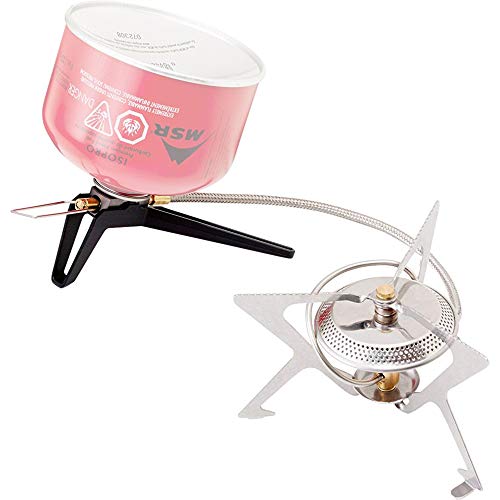 |
Water Filter  |
Nalgene  |
Camp stove with fuel – This small stove uses either isobutane canisters or white gas. It works just like a kitchen stove burner, making it super foolproof. Make sure you have a good supply of strike anywhere matches packed! For fuel canisters, we always recommend packing one per day, minus one.
Water filter – Slow but reliable, the MSR MiniWorks water filter is a go-to for water filtration in the Boundary Waters. You can screw the filter right onto the top of a Nalgene bottle, so it’s easy to gather drinking water. A gravity filter is a nice hands off way to get your drinking water. Always remember to get your water from the middle of the lake to avoid clogging the filter.
Water bottles – It’s hard to imagine using a water bottle that isn’t a Nalgene in the Boundary Waters. A water cube can come in handy for water storage.
|
Cook Kit  |
French Press 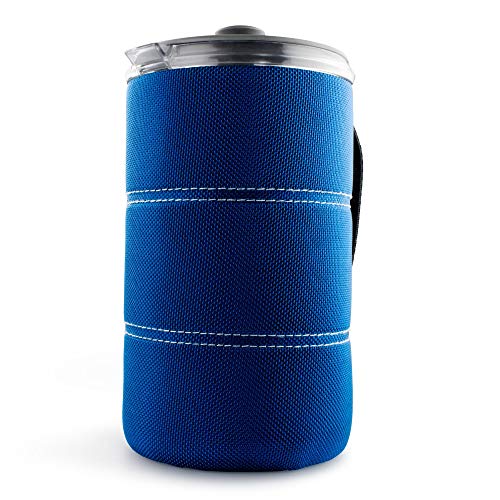 GSI Outdoors, 30 Fl Oz JavaPress, French Press Coffee Maker for Camping and Travel, Blue |
Kitchen Utensils  |
Cook Kit – I love this all-in-one GSI cookware kit that has everything you need to cook for and serve four people. Just don’t forget the silverware! A tea kettle is a nice addition too.
French Press – For quality, fuss-free camp coffee, try this French press. If you don’t want to deal with coffee grounds, Folger’s Singles make an acceptable, if not excellent, cup of coffee.
Kitchen Utensils – Another great all-in-one GSI kit contains all the utensils you need for camp cooking, including a cutting board, salt and pepper shaker, and a collapsible whisk. Don’t forget a hot pad!
Food Pack– Once again, Cooke Custom Sewing is the answer for the best Boundary Waters food pack. To comply with BWCAW rules and regulations, you will also need either a bear rope to hang the pack at night or certified bear resistant bear proof containers like BearVaults to keep your food safe from black bears.
Kitchen Clean Up Kit – Don’t forget to bring some dish soap, dish towels, washclothes, and scrubbies for doing your dishes. Whether you use Campsuds or Dawn, all soapy water needs to be disposed 200 ft away from the shoreline.
Boundary Waters Footwear
|
Hiking Boots  |
Sandals  KEEN Women’s Rose Casual Closed Toe Sandals, Gargoyle/Raven, 9 |
In camp shoes  HAFLINGER Unisex GZL Leather Trimmed Wool Clogs, Charcoal, 35EU |
Hiking boots – These might sound like fighting words, but I don’t think you need hiking boots for a Boundary Waters canoe trip. (After all, it’s not a hiking trip . . . .) If you can’t imagine not having boots, I love my Asolos. However, since Kevlar canoes need to be loaded while floating, having high rubber boots is often a more practical option when water is cold.
Sandals – I’ve done a lot of Boundary Waters trips (especially day trips) in Keen sandals. The toe protection provides some peace of mind and I’ve never had an issue with rolling my ankles on the rocky portage trails.
Comfy camp shoes – For the best camping experience, make sure you have a dedicated pair of dry footwear to change into once you’re at your campsite for the night. I really like Haflinger clogs for this, but you might prefer sneakers or even flip-flops.
Personal Clothing


Rain gear – Want perfect weather for your entire camping trip? Invest in some high quality rain gear and always keep it at the top of your pack. And yes, you do need rain pants as well as a jacket!
Sun Hat – Conversely, you also need to remember sun protection. When you’re paddling across a shadeless lake, you’ll definitely be thankful for a big, floppy sun hat. The chin strap is key for keeping the hat from blowing off. A good pair of polarized sunglasses are also essential.
Jacket – People often severely underestimate how warm it’s going to be on their Boundary Waters trip, especially if they’re visiting outside of late July or August. A puffer jacket is lightweight insurance against hypothermia that I honestly think should be packed on all Boundary Waters, even ones in late August.
Outerwear accessories– Just like a warm jacket, a stocking cap and a pair of mittens or waterproof gloves are easy ways to stay comfortable on chilly BWCAW nights. A buff or bandana will help keep hair and sweat out of your face while traveling.
|
Quilted Vest  |
Wool Sweater  |
Fleece Jacket  Cotopaxi Abrazo Hooded Full-Zip Fleece Jacket – Women’s Wine/Rosewood Small |
Down vest – Even in the summer, it’s not unusual for temps to swing some 30 degrees (F) throughout a summer day in the Boundary Waters. Just like with winter hiking, the key to being comfortable at all times is “dressing like an onion.” A lightweight down vest is an essential top layer.
Wool sweater – I love 100% wool sweaters in the Boundary Waters, especially on shoulder season trips. They not only keep you toasty, they also help wick away moisture.
Full zip fleece jacket – A fleece jacket or pullover like the ones from Cotopaxi or Patagonia are great mid-layer option if you’re not a fan of wool.
Quick dry pants – Depending on when you’re traveling, I like either tactile wool pants or lightweight nylon pants. Lots of pockets are key for keeping your camera and snacks close by while paddling!
|
Wool Crew Top  |
Long Underwear  Minus33 100% Merino Wool Base Layer 803 Women’s MidWeight Bottoms Black Medium |
Wool Socks  Darn Tough Women’s Hiker Boot Midweight Sock (Style 1907) – Eclipse, Large |
Long sleeve wool top – I basically live in Minus 33 midweight long sleeve merino wool tops regardless of if I’m at home or canoe tripping. Since they wick moisture, they’re the perfect Boundary Waters base layer.
Leggings or long underwear – Personally, I prefer to use leggings as my long underwear. If you want actual long underwear (which could double as your pajamas), I’d go with this mid-weight pair from Minus 33.
Wool underwear – Think wool underwear sounds weird? Don’t knock it until you’ve tried it. They wick moisture and stay fresher so much longer than cotton or synthetic undies, which means you don’t have to pack as many.
Wool socks – If you’re spending all day in hiking boots, good quality socks that fit well and wick moisture are key. I like Darn Tough wool socks, especially since they come with a lifetime guarantee! Dry socks are key to cozy, warm feet, so don’t be afraid to pack a few extra pairs.
Tank top – These athletic tank tops from Title Nine make a great summer base layer.
T-shirts – No surprise here: I’m a fan of wool t-shirts. I know they sound like they’d be way too warm, but I find them the perfect temperature for Minnesota summers. Plus, they’re so soft! They can also double as your pajamas.
Quick dry shorts – These shorts have pockets everywhere you want them and the fabric dries quickly if you take an unplanned dip.
Swimsuit – If you’re visiting during Boundary Waters high season (late July – August), don’t forget your swimsuit!
Sarong/Towel – A sarong doubles as a swimsuit coverup and towel. Otherwise, pack a quick dry towel for after your swims.
Clean clothes in your car to put on at the end of your trip – If you’re planning to shower at outfitters before driving home, you’ll want a fresh outfit that hasn’t been on trail waiting for you in your car.
Entertainment
|
Notebook 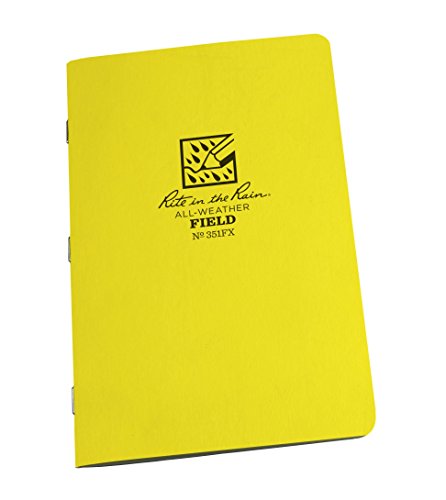 |
A Good Book  Hudson Bay Bound: Two Women, One Dog, Two Thousand Miles to the Arctic |
Travel Games 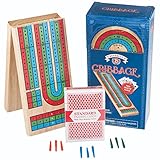 |
A good book – Without internet or cell reception, if you’re used to doom scrolling your way to sleep each night, you’ll need to swap out the habit during your camping trips. Some favorite books among our guests include Gunflint Burning, The Last Entry Point, and Hudson Bay Bound.
Board games or cards – In the same vein, you won’t go amiss packing some games to keep you and your travel companions entertained. Some of my favorite travel games include Phase 10 and Five Crowns. I also highly recommend you embrance the northern tradition of cribbage with these fun travel cribbage boards.
Small notebook or journal– Likewise, the unplugged nature of a canoe trip makes it the perfect opportunity to try journalling. Even a simple bullet list of what you did and saw each day in a small weatherproof notepad will be cherished for years to come. Don’t forget to pack some pens and pencils.
If you’re artistic, colored pencils and a sketchpad allow you to document canoe country scenes.
Handy Stuff
|
Headlamp  |
Pocket Knife  Benchmade – Griptilian 551-S30V EDC Knife with Black Handle (551-S30V) |
First Aid Kit  |
Headlamp and/or flashlight – During a new moon, it can be shockingly dark in the Boundary Waters. A headlamp will make those late night trips down the latrine trail much more comfortable! Remember to have plenty of extra batteries.
Pocket knife – You might have noticed that I omitted any mention of a knife in the kitchen gear. That’s because I sincerely believe everyone should carry a small pocket knife in the Boundary Waters.
Small first-aid kit – I’m generally pretty flippant about the quality of my first-aid kit. However, when it could be a day’s travel to the nearest emergency room, it’s critical that you carry a well-stocked first-aid kit in the Boundary Waters.
Paper Map – Since there are no power sources in the Boundary Waters, you’ll want to depend on a paper map rather than your phone or a GPS unit. I primarily use Fisher Maps, but McKenzie and Voyageur make great maps for the BWCAW too. You can also use your NatGeo maps.
Battery pack – Speaking of no electricity, a battery pack is critical if you’re planning to use your phone as your primary camera.
Waterproof phone carrier – Another good failsafe for your phone on your canoe trip is a waterproof phone case that floats.
Fishing Gear – Fishing is a huge reason why folks visit the Boundary Waters. I’m not going to go into what all you should pack since that varies so greatly based on your route and which species you’re targeting.
Toiletries
|
Sunblock  |
Insect Repellent  |
Blister Packs 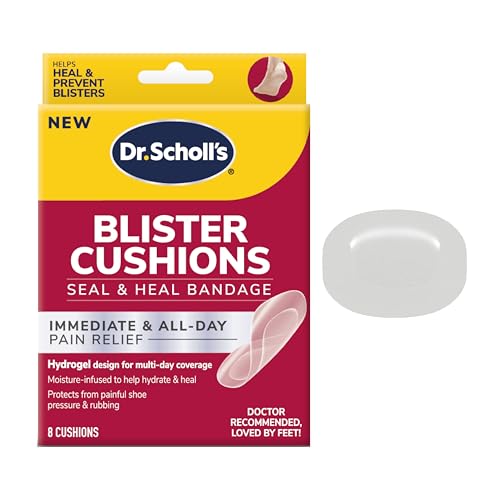 |
Small toiletry kit – Even though you’re “roughing it” in the woods, you still need some basic hygiene items like toothpaste, toothbrush, lip balm, hair brush, hair ties, deodorant, and your prescriptions. Shampoo is a good idea if you plan to shower at the outfitters on your return but please, please, please don’t lather up and jump in the lake.
Sunblock – While the Boundary Waters doesn’t (yet) have sunblock regulations like they do in Hawaii or the Virgin Islands, it’s still important to keep Boundary Waters’ lakes as clean as possible. My go-to sunscreen in Sun Bum. If you generally forget to apply sunscreen, be sure to pack some aloe lotion.
Hand Sanitizer – A little bottle of Purell is an easy way to keep a sanitary campsite after trips to the latrine or before preparing and/or eating meals.
Moleskin/Blister packs – Don’t be the person hobbling around like they just got off a horse at the end of their canoe trip. Blister packs or moleskin will help you nip any nasty blisters in the bud.
Insect repellent – You’re playing with fire if you don’t pack bug spray for your camping trip. Our go-to is Off Deep Woods. Bugs are generally worst between Memorial Day and late June, but if you’re sensitive, you’ll need insect repellent all summer long to keep the errant mosquitoes at bay.
Advil/Tylenol/Aleve – Boundary Waters trips notoriously stress long forgotten muscle groups, so be sure to pack a decent amount of your favorite over-the-counter painkiller.
Ear plugs – Even if you’re lucky enough to lack a party member who snores, sometimes the unfamiliar silence of Boundary Waters nights can be unsettling. Ear plugs are key to a good night’s sleep in a tent.
Printable Boundary Waters Packing List
Click below for your printable PDF Boundary Waters packing checklist.
Wrap-up: You’re All Set For Your Next Boundary Waters Adventure!
As you can see, packing for a Boundary Waters overnight canoe camping trip requires plenty of thought and attention to detail. When you’re responsible for packing everything necessary to keep you and your group feed, sheltered, and well, alive, for a multi-night camping trip in the United States wilderness, it’s easy to get overwhelmed.
I hope this step-by-step guide to what to bring on an overnight canoe camping trip helped remove some of the mystery of packing.
While you certainly don’t need to pack every single thing on my Boundary Waters packing list and might have some additions of your own, this checklist ensures you have all your bases covered so you never have that dreaded “what do you mean no one packed . . . ” moment.